# What is a water purifier?
A water purifier is a device that makes tap or bottled water drinkable by removing various contaminants found in it.A Water Purifying Plant has many filters for removing salt, sulfur and chlorine. Its main purpose is to remove harmful substances from drinking and waste water to make it safe for human consumption.
Image source: https://www.reliancedigital.in/
To reduce the cost of running one of these facilities all the energy needed to run the plant can be generated by renewable sources such as solar power or wind power.
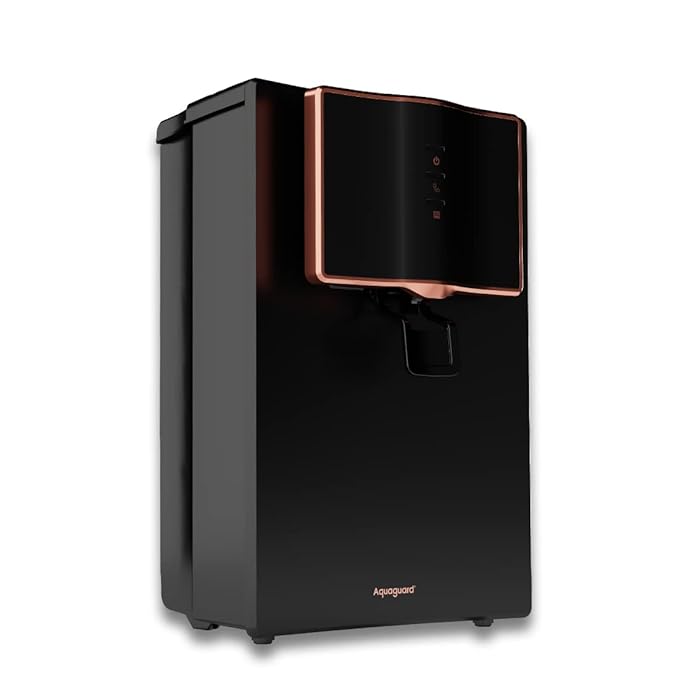
Image source: https://www.amazon.in/
A quality filter will be effective at reducing all levels of bacteria, virus and cysts, but not pathogenic particulates like Cryptosporidium/Giardia lamblia/enterovirus# Benefits of using a water purifier?
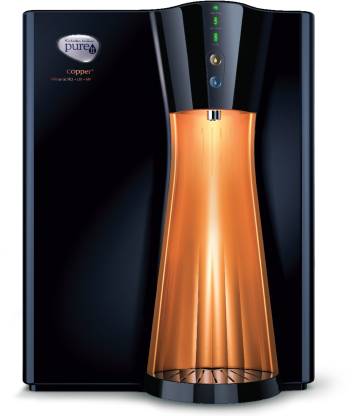
Image source: https://www.flipkart.com/
Water purifying plants, either of the reverse osmosis or magnetic or chemical filtration kind, can provide clean drinking water for most people in developing countries.

Image source: https://www.croma.com/
There is very little waste as the water produced by these filters is so pure as to be practically sterile. The only other drawback with these filters is their cost, but this is offset by the fact that they do not need to be replaced and that there are no maintenance costs attached.
Image source: https://www.reliancedigital.in/
This makes them one of the very few types of investments in developing countries which accrue a real return on investment and so are affordable.

Image source: https://www.tomsguide.com/
# How does a water filter plant work?A water filter plant has several stages. First, the waste water is checked for solid material.

Image source: https://trustedreview.in/
The entire system is then sterilized with UV irradiation and can remain out of action for months before needing to be restored to its original state by processing fresh water. The next stage involves reverse osmosis or molecular sieve filters followed by carbon block filters and finally ozonation if required.
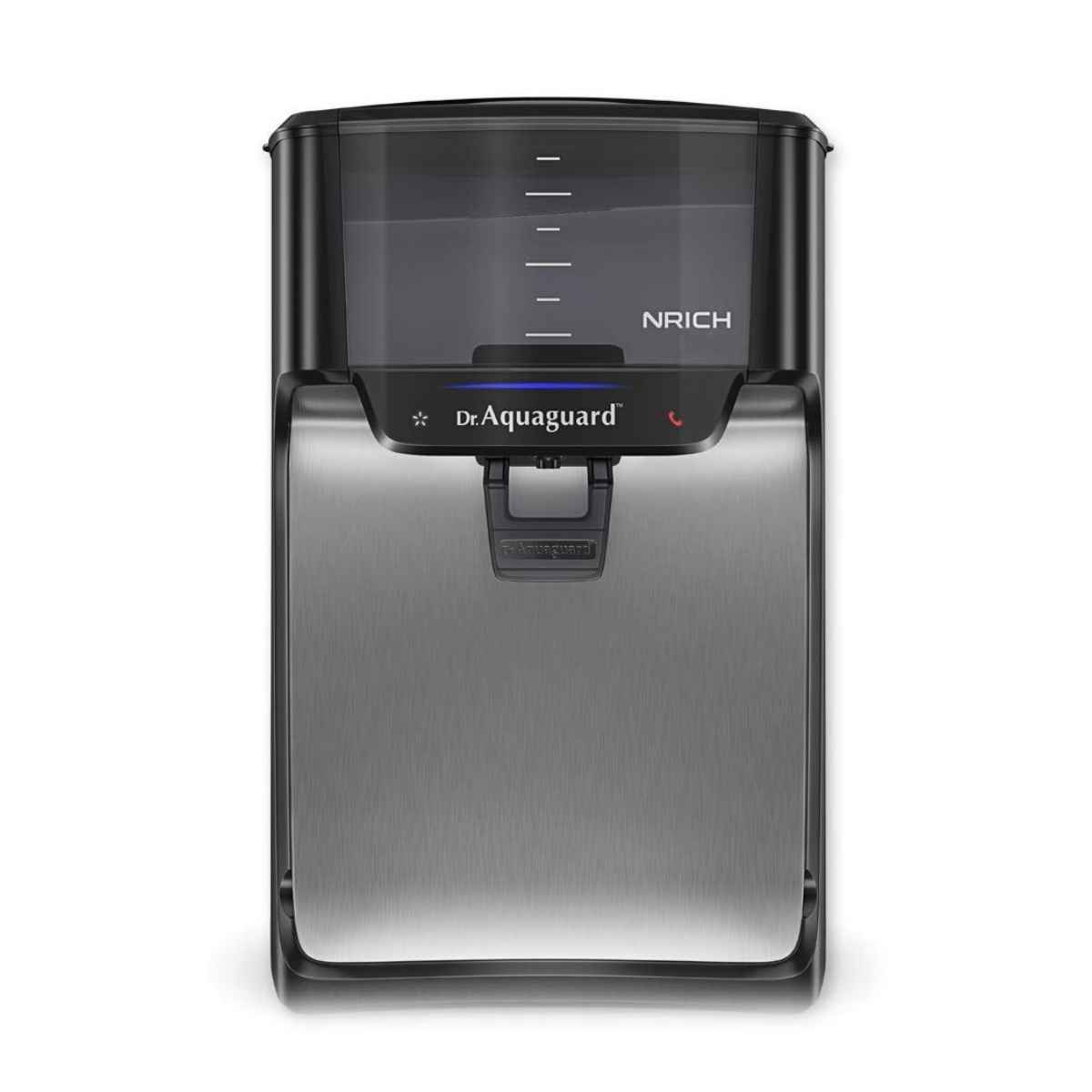
Image source: https://www.digit.in/
To ensure that the entire system remains in working order a monitoring software is included. This controls the sterilization process and automatically signals the need to restore the system by sending an email alert whenever levels of bacteria or viruses exceed an acceptable level which has been pre-set by the person running the plant.

Image source: https://www.lg.com/
# Advantages of an RO water purifier?One of the main advantages of using reverse osmosis water purifiers is that they have a long lifespan. These plants unlike other types do not require frequent replacements.

Image source: https://www.vijaysales.com/
Due to this, they offer economical use over time and make it possible to reap a higher rate of return than would otherwise be possible through conventional methods.

Image source: https://www.amazon.in/
Properly maintained reverse osmosis units are the best for removing chlorine and heavy metals from drinking water.
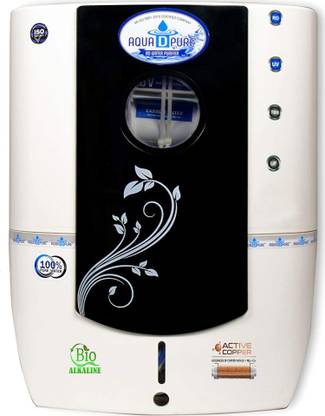
Image source: https://www.flipkart.com/
They also remove any harmful bacteria that could affect the health of people who drink it, making it ideal for drinking. Reverse Osmosis (RO) is one of few filtration technologies capable of removing viruses (as small as 0.0001 microns in size).

Image source: https://www.croma.com/
RO is highly efficient and has the ability to purify up to 99.9% of all water contaminants, including copper, lead and iron, without affecting the taste or smell of the water. RO water filters are also especially effective against cysts and parasites such as giardia lamblia and cryptosporidium.
Image source: https://www.reliancedigital.in/
# Advantages of a magnetic water filter?Magnetic water filters have some advantages over other types of filters. The reason why they are preferable is because they have no moving parts and therefore have a long lifespan; unlike other filters that need replacement every year or so.
Image source: https://www.reliancedigital.in/
Comments
Post a Comment